

425 Traffic Deaths, 61 Percent in Black Neighborhoods
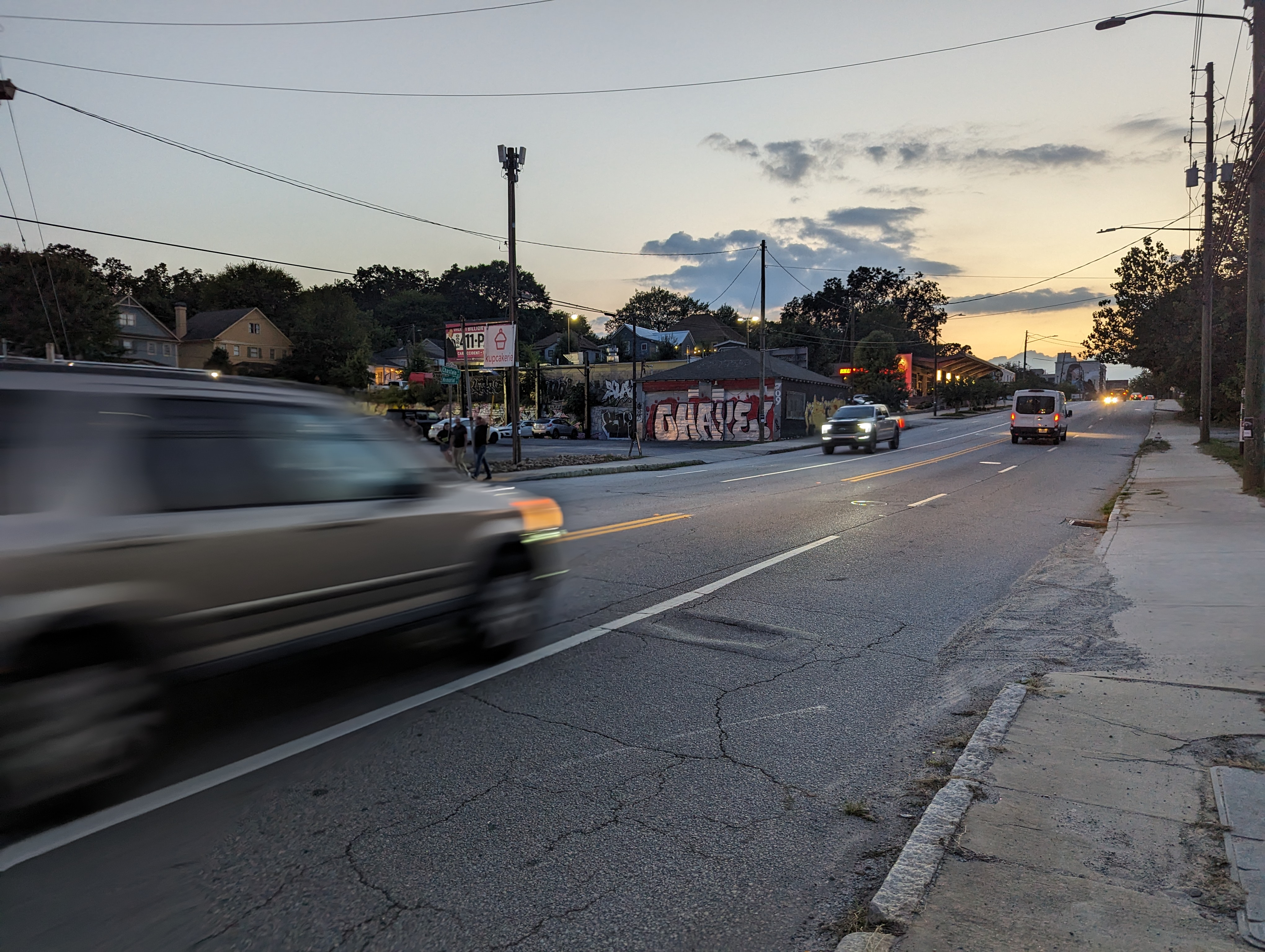
Photo: Propel ATL
“The Human Cost of Mobility: 2024,” a new story map from Propel ATL, reveals that, across five core Metro Atlanta counties in 2024, traffic crashes (425*) took more lives than homicides (410+), yet homicides are often heavily covered by news outlets, while traffic fatalities are often treated as background noise, a cost of mobility we all must accept.
This story map provides key geographic, demographic, and storytelling context for upward-trending Metro Atlanta traffic deaths, highlighting the human lives behind the statistics and providing recommendations for making our roads safer spaces for everyone.
While prior editions initially focused only on the City of Atlanta, then, last year, the MARTA service area of Fulton, DeKalb, and Clayton Counties, this edition widens its scope to encompass Metro Atlanta’s five core counties: Clayton, Cobb, DeKalb, Fulton, and Gwinnett.
DeKalb notched improvements over last year’s numbers, which were the second worst over the last decade, but it still leads the five surveyed counties on the following unenviable metrics: traffic fatalities, all modes (121), and pedestrian/cyclist fatalities (40). Fulton leads all five counties in serious injuries, all modes (937), and serious injuries, pedestrians/cyclists (152).
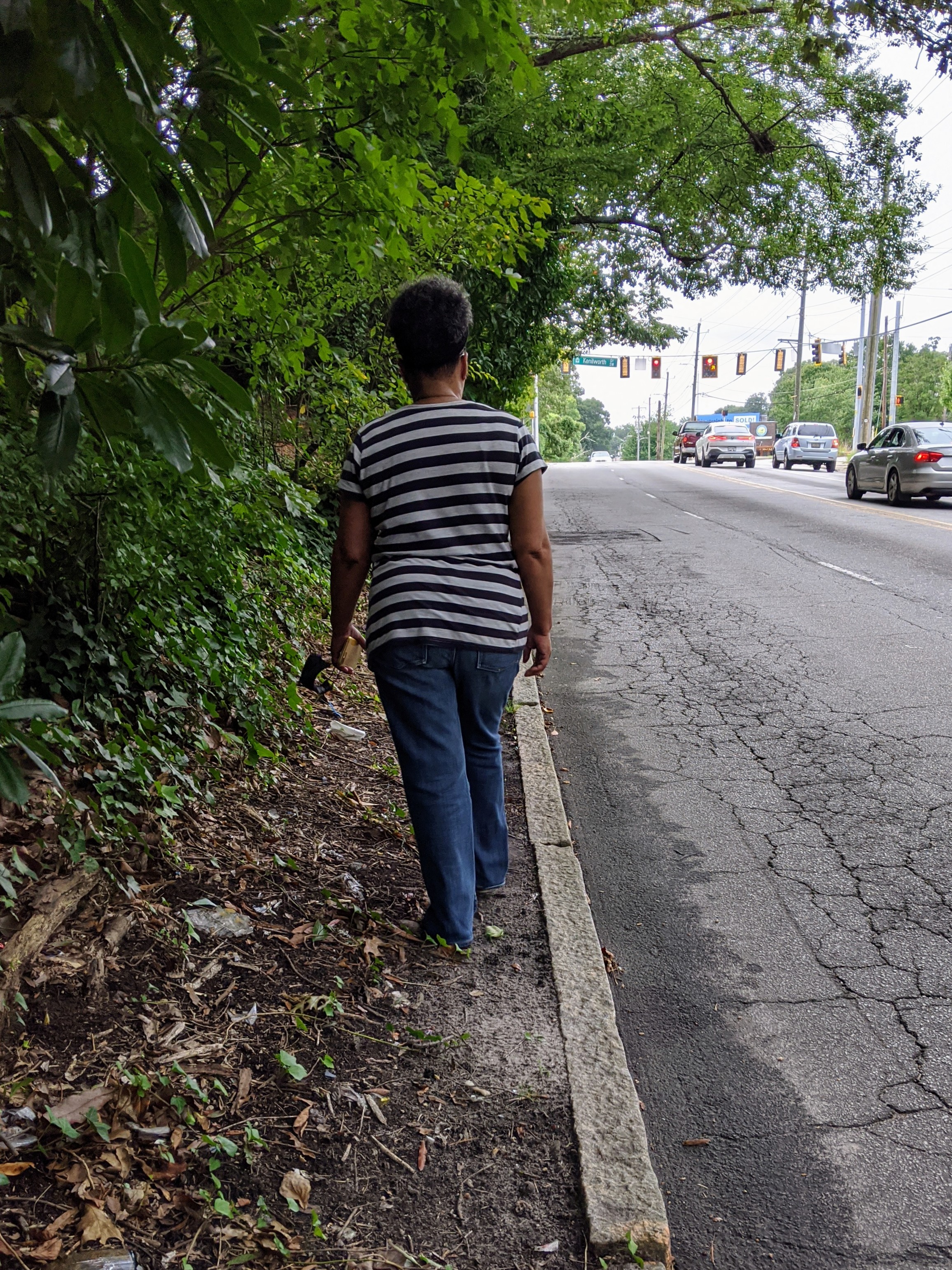
Photo: Darin Givens/ThreadATL
Another key finding relates to transit: although this report’s scope encompasses many car-dependent areas that lack transit service, the majority of pedestrian deaths, 59 percent, nonetheless happened within walking distance of bus stops. This figure is from 2024, and is consistent with a five-year pattern across the survey area.
Similarly, even after widening the scope a second time to encompass a broader swath of the region, inequitable trends still hold from prior reports: more than 61 percent of all traffic fatalities occurred in predominantly Black neighborhoods, which represent 43 percent of all tracts. These tend to be places where planning and policy decisions resulted in fewer features like sidewalks, crosswalks, and bike lanes that provide basic safety for pedestrians and people outside of cars.
These grim findings mirror national trends, which find that Black and Native Americans, older adults, and people walking in low-income communities die at higher rates and face higher levels of risk compared to all Americans.
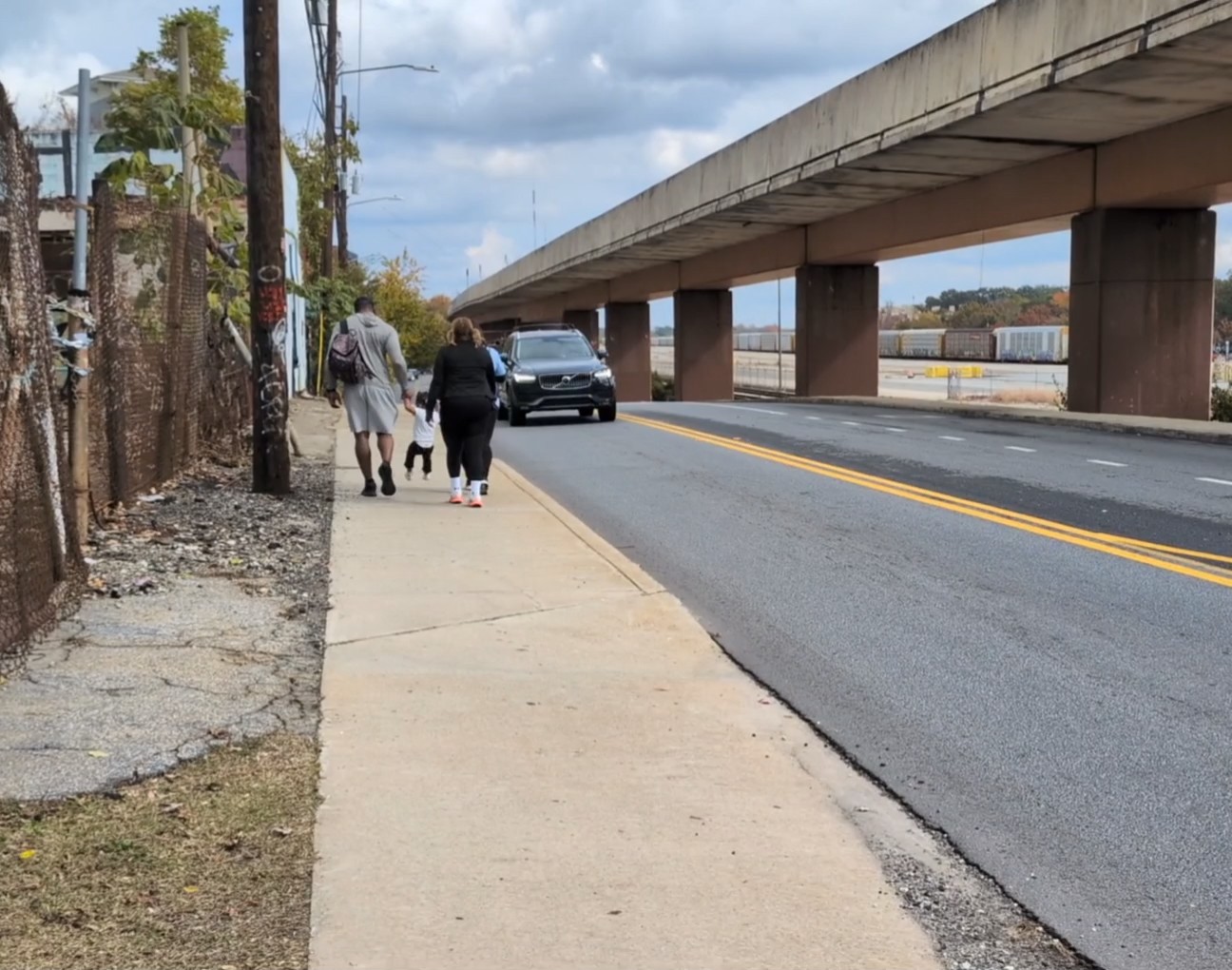
Photo: Darin Givens/ThreadATL
The stories
The story map includes stories of people in metro Atlanta who lost their lives in traffic crashes, spelling out what was lost when lives are cut short, and inviting the reader to consider that each of the 425 lives lost bears a similar story.
Allen, Barry, and Tom are three of hundreds. Their stories reflect patterns across the region, crashes most concentrated in communities with high speeds, low infrastructure, and limited transit access.
“Every person struck, injured, or killed is someone whose life had value, purpose, and loved ones waiting for them,” said Qur’an Shakir, who lost her brother Allen London in a July 2024 crash.

Allen London, photo courtesy of Qur'an Shakir
Allen’s story represents a particularly bitter irony. A gifted artist, Allen had painstakingly rebuilt his life after a 1996 hit-and-run crash while walking along Candler Road left him with a traumatic brain injury. His work now hangs in Atlanta’s Shepherd Center as well as Children’s Healthcare of Atlanta, and patients and staff at the Brain Injury Peer Visitor Association speak highly of his volunteer work.
But Allen’s story of renewal came to an abrupt end, at the hands of yet another speeding driver along the same corridor. It was not just an infuriating event, but one that demonstrated the lack of change on a dangerous road over nearly three decades.

Tom Duncan, photo courtesy of Diane Duncan
Tom Duncan had an enthusiastic fan club in the cycling community and beyond. He volunteered at his church, had regular dinners with a close-knit group of friends, was learning American Sign Language to communicate with a relative, and was a volunteer ride leader in Atlanta’s Winter Bike League. He was riding with this group on Dec. 16, 2023, assisting new riders, when he was hit and killed by a distracted driver.
“His last acts on this earth were pouring into others,” said Robert Wilhite, Winter Bike League leader.
Barry Collier, photo courtesy of Rashida Collier
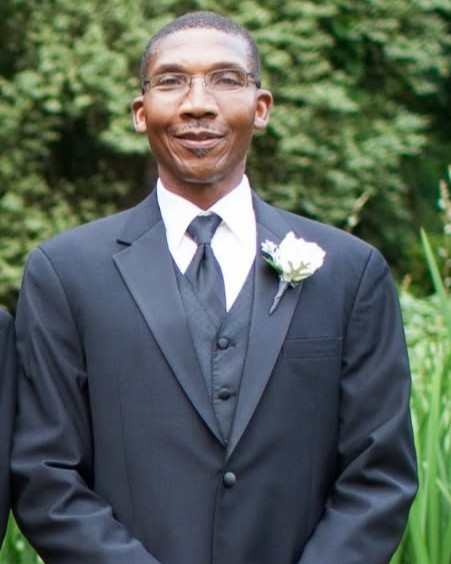
For Barry Collier, Thanksgiving Day 2023 began as it does for many people—in anticipation of a big feast, surrounded by family. So the fit 70-year-old decided to earn his turkey, hopping on a road bike for what was, for him, a “quick” ride of 30 miles. He was just a mile from home when a driver hit him from behind, on Crossvale Road in Lithonia, then fled the scene.
“He was well loved,” daughter Rashida Collier said. “The funeral was packed… He touched a lot of people.”
The numbers
- In 2024, 425 people died on roadways in Metro Atlanta’s five core counties: Clayton, Cobb, DeKalb, Fulton, and Gwinnett. That’s a 9.6 percent decrease from the 470 people killed in 2023.*
- In 2024, more than 157,000 crashes occurred in Clayton, Cobb, DeKalb, Fulton, and Gwinnett Counties.*
- 1,961 of these crashes involved people walking, biking, and rolling.*
- 138 of these crashes resulted in pedestrian/cyclist deaths.*
- The 138 pedestrian deaths in 2024 represent an increase of 3.8 percent compared with 2023.*
- Pedestrian fatalities in DeKalb County decreased sharply from a 10-year high in 2023, but are still the highest absolute number in the five-county region with 40 people killed by drivers.*
- Clayton County had the highest per capita death rate of pedestrians than any other county.*
- Pedestrians were most over-represented among fatal crashes in Cobb County*
- Pedestrian fatalities ticked upward, from 22 to 25, in the City of Atlanta following a significant decline between 2022-2023.*
- In the City of Atlanta, 59 people were killed in traffic crashes (all modes) in 2024, down 23.4 percent from 2023, a number that represents three years of consecutive decreases, but still higher than 57 in 2015, ten years ago.*
- In the five-county area, census tracts whose population is predominantly Black or African American make up 43.1 percent of all tracts but account for 61.3 percent of all traffic fatalities.†
- Between 2013 and 2023, Atlanta averaged 14.2 traffic deaths (pedestrians and non-pedestrians) per 100,000 people. The five-county core metro averaged 10.7. By comparison, Chicago and Seattle, both more heavily populated than the City of Atlanta, experienced just 5.7 and 4.3 respectively. The national average is 11.6††
- In the five-county region, the 20 most dangerous roadways compose just 1.2 percent of all roadways, yet account for nearly 11 percent of fatal crashes.**
Sources:
*GDOT AASHTOware (Crashes Jan. 1, 2015 - Dec. 31, 2023), 2025; GDOT 411 (Crashes Jan, 1, 2024 - Dec. 31, 2024), 2025
+Georgia Bureau of Investigation, UCR 2024
†GDOT AASHTOware (Crashes Jan. 1, 2024 - Dec. 31, 2024), 2025; GDOT 411 (Crashes Jan, 1, 2024 - Dec. 31, 2024), 2025; Atlanta Regional Commission ACS 2023 Census Data Release, Race & Ethnicity 2023 (all geographies, statewide)
††American Community Survey, U.S. Census; National Highway Traffic Safety Administration—Fatality Analysis Reporting System; Atlanta Vision Zero dashboard
**GDOT AASHTOware (Crashes Jan. 1, 2015 - Dec. 31, 2023), 2025; Regional High-Injury Network, Atlanta Regional Commission
“Our country has a pedestrian safety crisis, and Atlanta is a microcosm of uniquely American factors that produce traffic death rates that are a global anomaly,” said Rebecca Serna, Propel ATL Executive Director. “According to a recent Washington Post investigative report, annual deaths caused by cars and trucks striking pedestrians rose 70 percent between 2010 and 2023. Common factors include high-speed, multi-lane roads cutting through lower-income communities, with transit-dependent populations who have few—if any—safe ways to get to the bus.”
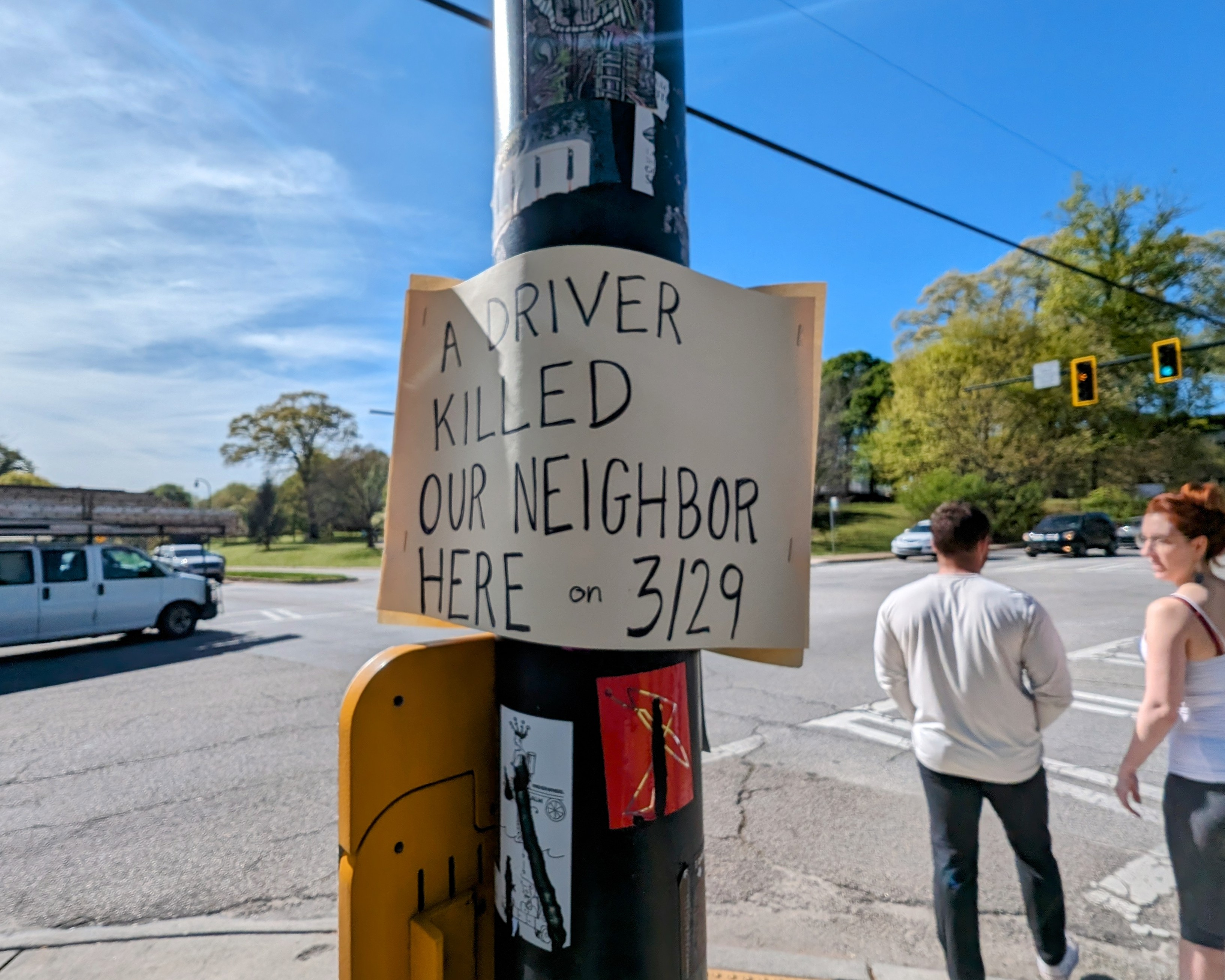
Photo: Darin Givens/ThreadATL
“It’s inadequate to call traffic injuries and deaths “accidents,” Serna continued. “They are the result of systems that are now well understood; from decisions to build dangerous, high-speed roadways that are hostile to people outside of cars, to refusing to make high-transit and dense areas walkable, to building inequitably, with the region’s most dangerous corridors traversing the poorest census tracts.”
“On the other hand, the path toward change is now well lit,” Serna concluded. “Simple design changes to the most dangerous roads and streets could eliminate the vast majority of traffic crashes that result in injury and death. Narrowing lanes and roadways to make speeding uncomfortable for drivers, adding signalized and clearly marked crosswalks, and building protected bike lanes are not exceptionally difficult or costly projects. They just require political will to execute—specifically, the political will to prioritize the lives and health of people over traffic flow and speed.”
Read the full story map for “The Human Cost of Mobility: 2024, share widely, and join the movement to end preventable traffic deaths."